Why More People Are Choosing Dental Implants in Bakersfield CA

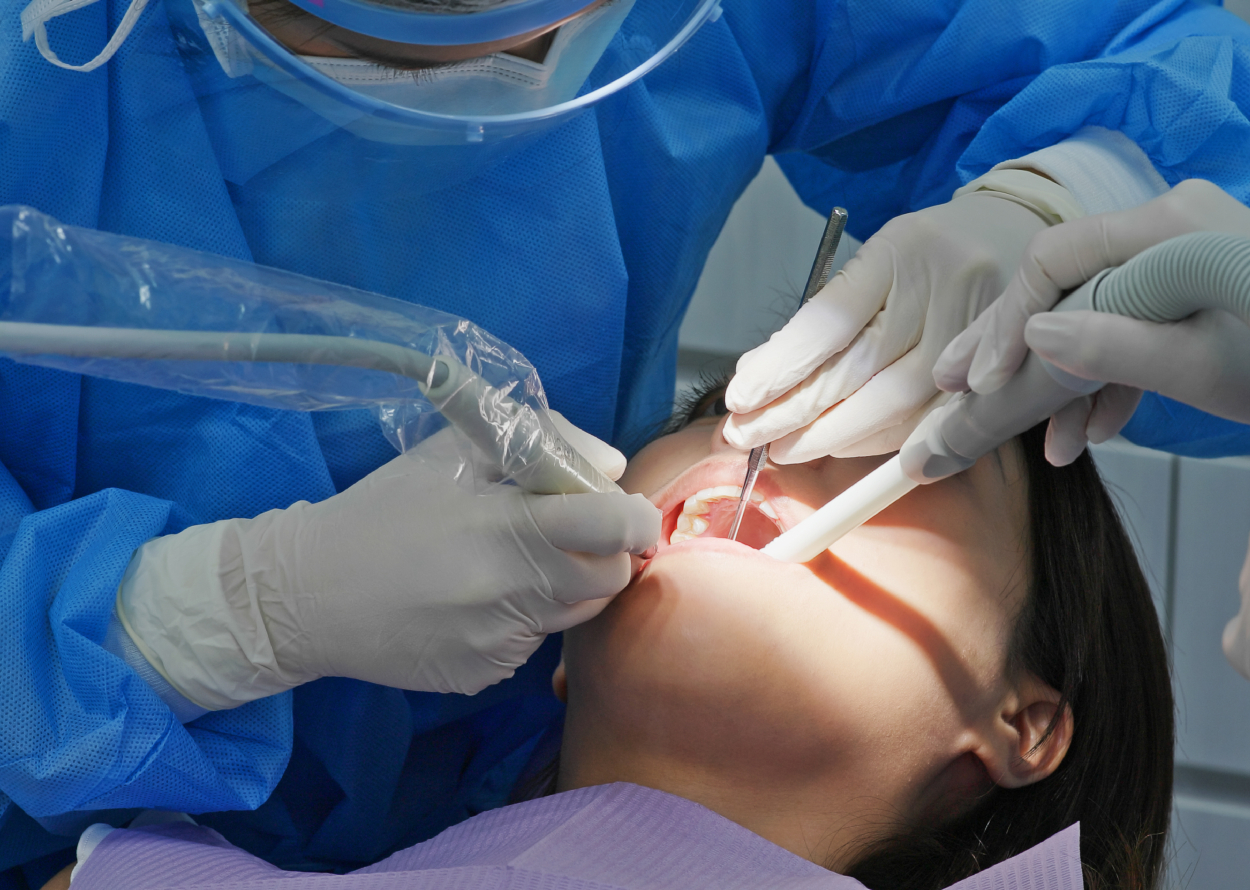
A missing tooth changes more than a smile. It changes the way a person eats, the way they speak in certain moments, and often the way they carry themselves in public. That is one reason dental implants have moved from being a niche restorative option to a mainstream one. In Bakersfield, that shift is especially noticeable. More patients are asking about implants earlier, researching the process more carefully, and deciding that a long-term solution is worth serious consideration.
The phrase Dental Implants Bakersfield CA now appears in countless online searches, and that is not happening by accident. People are more informed than they used to be. They understand that replacing a tooth is not only cosmetic. It affects chewing force, jawbone health, bite alignment, and comfort over time. When patients sit down for a consultation, they are often not asking whether implants exist. They are asking whether they are good candidates, how long treatment will take, and what kind of result they can realistically expect.
That shift in the conversation says a lot about where patient priorities are today.
The appeal of a replacement that feels stable
Traditional bridges and removable dentures still have an important place in dentistry. They solve real problems, and in some cases they remain the right choice. But implants offer something many patients immediately understand once it is explained clearly: they replace not just the visible part of the tooth, but also the root structure below the gumline.
That matters because natural teeth are anchored in bone. When a tooth is lost, the jaw in that area no longer receives regular stimulation from chewing. Over time, the bone can shrink. Patients usually do not notice this right away, but years later they may see subtle changes in facial support, gum contours, and how a denture or bridge fits. A dental implant helps preserve that bone because it functions much more like a natural tooth root.
For many adults in Bakersfield, the decision becomes easier once they understand this point. They are not only buying a tooth-shaped crown. They are investing in the health of the jaw and the stability of the bite.
Bakersfield patients are thinking longer term
There has been a clear change in how patients weigh cost against value. Years ago, many people compared treatments based almost entirely on the initial fee. Now they are more likely to ask what the restoration will look like in ten or fifteen years. That is where implants often gain ground.
A removable partial denture may cost less upfront, but it can come with ongoing adjustments, sore spots, clasps that show when smiling, and limitations in chewing tougher foods. A bridge can be an excellent option, though it usually requires reshaping neighboring teeth if they are healthy and untouched. An implant often avoids that issue because it stands independently.
Patients with busy work schedules also appreciate the practicality. Once healing is complete and the final crown is in place, an implant generally becomes part of everyday life. It does not come out at night. It does not rely on adhesive. It does not shift in conversation or during meals. That sense of normalcy is a major reason more people are choosing this route.
Confidence is part of the equation
A lost tooth can make people self-conscious in ways they rarely discuss openly. Some start smiling with their lips closed. Others avoid photos or become more guarded in social situations. This is especially true when the missing tooth is visible, but even back teeth can affect confidence because patients know their chewing feels different, or they worry someone may notice changes in speech.
Implants appeal to people who want a restoration that looks integrated rather than added on. A well-planned implant crown is shaped to match surrounding teeth, and when tissue contours are healthy, the final result can be remarkably natural. The goal is not to create a perfect showroom smile for every patient. The real goal is to make the replacement tooth belong in that mouth, with the right shade, shape, and bite relationship.
That distinction matters. Good implant dentistry is rarely about selling glamour. It is about restoring normal function and appearance in a way that does not draw attention to itself.
Why this trend is growing in Bakersfield
Local demand for implants reflects several practical realities. Bakersfield has a large working population, many families with long roots in the area, and a growing number of adults who want to preserve their oral health rather than patch it repeatedly. People are staying active later in life. They are eating out, traveling, speaking publicly, meeting clients, attending family events, and expecting their dental work to keep up.
There is also broader public awareness now. Patients hear about implants from friends, relatives, coworkers, and online reviews. Ten years ago, some people assumed implants were only for a narrow segment of patients. That assumption has faded. Today, many know someone who has had one successfully placed.
Another factor is timing. In the past, patients often waited years after a tooth was lost before seriously considering replacement. By then, bone loss or tooth shifting had complicated treatment. More dentists now emphasize earlier evaluation, which means patients are learning about implants before problems become harder and more expensive to correct.
The technology has improved, but judgment still matters most
It is true that modern imaging and planning have made implant treatment more precise. Three-dimensional scans allow a dentist or specialist to evaluate bone volume, anatomical structures, and ideal implant positioning with far more detail than older methods allowed. Surgical guides can improve accuracy in selected cases. Restorative materials have also advanced, giving patients https://andrefhii229.novacrestiq.com/posts/exploring-modern-tooth-replacement-with-dental-implants-bakersfield-ca durable, esthetic outcomes.
Still, the strongest cases are not built on technology alone. They are built on sound judgment.
A well-qualified provider will look at gum health, bite forces, smoking habits, medical conditions, grinding patterns, sinus anatomy when relevant, and the patient’s ability to maintain oral hygiene long term. Not every person who wants an implant should get one immediately. Sometimes gum disease needs to be controlled first. Sometimes a failing tooth should come out sooner rather than later. Sometimes bone grafting is advisable to create a better foundation.
Patients tend to appreciate honesty here. They do not want a rushed yes if the situation calls for a more careful plan.
What patients are actually asking in consultations
The questions people ask reveal why implants are gaining popularity. They want predictability. They want to know whether treatment will interfere with work. They want a straight answer on discomfort, healing time, and maintenance. Most of all, they want to know whether the result will feel secure.
A typical consultation often circles around a few central concerns:
- Will it look like my real tooth?
- How long does the full process usually take?
- Is the surgery more uncomfortable than people expect?
- What happens if I have already lost bone?
- How do I take care of it once it is done?
Those are sensible questions. The answers depend on the case, but the pattern is clear. Patients are not only shopping for a procedure. They are looking for permanence, function, and clarity.
The process is more manageable than many people assume
One reason some adults delayed implants in the past was fear of the surgical aspect. Many imagined a difficult recovery or prolonged pain. In practice, the experience is often easier than expected, especially for a single implant placed in healthy bone with careful planning.
After evaluation and imaging, the implant is placed in the jawbone. Healing follows as the implant integrates with the bone. Once the site is ready, an abutment and crown complete the restoration. The timeline varies. Some cases are straightforward, while others involve extractions, grafting, or staged healing. That is why precise promises should be made carefully.
From a patient perspective, what matters most is that the treatment is usually structured and predictable. The appointments have a purpose. The milestones make sense. Patients generally tolerate the process well when they understand what comes next and why.
Bone preservation is a major reason implants stand out
If there is one clinical benefit that deserves more attention from the public, it is bone preservation. Tooth loss triggers change below the surface. Bridges replace chewing surfaces, and dentures fill space, but neither stimulates the jaw in the same way an implant does.
That distinction becomes increasingly important over time. In the front of the mouth, bone loss can affect appearance and tissue support. In the back, it can affect function and the overall architecture of the bite. Patients may not see these changes immediately, which is why they are easy to underestimate.
In Bakersfield practices, many consultations now involve patients who regret waiting after an extraction. They often say some version of the same thing: if they had understood what happened to the bone after losing a tooth, they would have explored replacement sooner. That experience has spread by word of mouth, and it is one reason interest in Dental Implants Bakersfield CA keeps growing.
They are not only for seniors
There is still a lingering misconception that implants are mostly for older adults. In reality, candidates span a wide range of ages. Someone in their thirties may lose a tooth from trauma, a cracked root, or a failed endodontic case. A person in their forties may be tired of a removable partial. A patient in their fifties may want to replace a bridge that has reached the end of its lifespan.
Younger adults often see the logic quickly. If they have decades ahead of them, they tend to think carefully about preserving neighboring teeth and maintaining bone where possible. Older adults, on the other hand, often value the stability and comfort compared with removable appliances. The motivations differ, but the appeal is broad.
Cost still matters, but the conversation is more nuanced now
No responsible article about implants should ignore cost. It is a real factor, and for some families it is the deciding one. Implant treatment can be a significant investment, especially if grafting, multiple implants, or full-arch reconstruction is involved.
What has changed is how people frame the expense. Instead of asking only, “What is the cheapest way to fill this space?” many ask, “What is the most sensible way to solve this once?” That is a more mature question, and it often leads to deeper conversations about longevity, maintenance, and quality of life.
A practical way to think about treatment options is this:
| Option | Main advantage | Main trade-off | | --- | --- | --- | | Removable partial denture | Lower initial cost | Less stability, more maintenance, can feel bulky | | Fixed bridge | Non-removable, familiar option | May require reduction of adjacent teeth | | Single implant crown | Independent support, bone preservation potential | Higher upfront cost, surgical phase required |
That table does not replace a consultation, but it captures why many patients lean toward implants once they understand the trade-offs.
The right candidate is not always the easiest case
One of the most useful truths to share with patients is that candidacy is broader than many think, but not automatic. Smokers can sometimes receive implants, though risk may be higher. Patients with diabetes may do well if their condition is controlled. People with bone loss may still qualify with grafting or a modified plan. Even long-time denture wearers may have options they assumed were off the table.
At the same time, optimism should be grounded. Teeth grinding can place significant stress on restorations. Poor hygiene habits can shorten the life of both natural teeth and implants. Untreated periodontal disease can compromise the environment around an implant. A rushed placement in a biologically weak situation is not good care, no matter how attractive the sales pitch sounds.
This is where experienced evaluation matters. Good providers do not simply ask whether an implant can be placed. They ask whether it can succeed predictably and whether the patient can maintain it.
Full-arch treatment has changed expectations
Another reason more people are choosing implants in Bakersfield is the growing visibility of implant-supported full-arch treatment. Patients who once assumed they would be limited to traditional dentures are learning that there may be more stable options available. These cases are more complex and not appropriate for everyone, but the impact can be life-changing for the right patient.
Someone who has spent years avoiding steak, apples, or social dining because of loose dentures may view implant-supported teeth very differently from someone replacing a single molar. The value becomes intensely practical. It is about speaking without fear of movement, eating a wider range of foods, and feeling less dependent on adhesives or constant adjustments.
These cases require careful planning, and they vary widely in cost and technique. Still, their visibility has helped many patients see implants not as luxury dentistry, but as serious restorative care.
Daily care is straightforward, but not optional
Patients are often pleasantly surprised that implant maintenance is not exotic. The basics remain familiar: brushing well, cleaning around the restoration carefully, attending regular exams, and addressing inflammation early if it appears. The implant itself cannot decay, but the tissues around it can absolutely become inflamed or diseased if neglected.
That is an important distinction. Some people hear “implant” and assume “maintenance-free.” No responsible clinician should encourage that misunderstanding. A beautiful implant crown in a mouth with poor hygiene habits is still vulnerable to complications. Long-term success depends on the patient as much as the hardware.
The upside is that patients who already take oral health seriously usually adapt quickly. Once healed, the restoration often feels natural enough that it blends into normal home care routines.
How to know when it is time to ask about implants
There are a few situations where an implant conversation is especially worthwhile. If a tooth is already missing, that is obvious. But it is also worth asking when a tooth has a poor long-term prognosis, when a removable appliance has become frustrating, or when a bridge is failing and replacement is being discussed anyway.
A short list can help clarify when that conversation makes sense:
- You have a missing tooth and do not want a removable replacement.
- You want to avoid altering healthy neighboring teeth.
- You have a denture or partial that shifts, rubs, or limits chewing.
- A damaged tooth may not be restorable for the long term.
- You want a replacement option designed with jawbone preservation in mind.
Patients do not need to arrive at a consultation already committed. They simply need enough information to compare options intelligently.
Why people often say they wish they had done it sooner
This may be the most common reflection heard after implant treatment is complete. Not because every case is simple, and not because the process is effortless, but because the finished result often restores something patients had been missing for a long time without fully realizing it.
They stop favoring one side while chewing. They stop worrying about a gap showing in photos. They stop feeling the movement of a removable appliance. They stop arranging meals around what is easy to bite. The benefit is rarely dramatic in a theatrical sense. It is quieter than that. It feels like getting back a normal part of daily life.
That is the real reason more people are choosing Dental Implants Bakersfield CA. They are looking beyond a short-term fix. They want stability, function, appearance, and a solution that respects the health of the mouth years down the road. For many patients, implants meet that standard better than the alternatives.
And once people understand that clearly, the choice starts to make sense.
Smyle Dental Bakersfield
2016 E St, Bakersfield, CA 93301, United States
+16614939040
FAQ About Dental Implants Bakersfield CA
What is the downside of a dental implant?
The main downsides of dental implants involve high financial costs, surgical risks, a lengthy healing process, and the potential for long-term complications.
How much does a full set of implants usually cost?
A full set of dental implants (covering both the upper and lower arches) typically ranges from $6,000 to $90,000+, depending heavily on the type of treatment, materials used, and whether the teeth are fixed or removable.
Can I have all my teeth pulled and get implants?
Yes, you can have all your teeth pulled and replaced with dental implants. Instead of placing a separate implant for every single tooth (which is costly and time-consuming), dentists typically use full-arch systems.